Eleven years after receiving my breast cancer diagnosis at work, I’m reflecting on what that call took from me, what it exposed, and how it forced me to reclaim my voice.
At exactly 3:05pm. on Monday, September 14, 2015, my phone rang while I was at work.
“You have invasive lobular breast cancer.”
There are moments when time does not simply stop. It fractures. There is the life you were living seconds before, and then there is the life you are expected to somehow keep living after.
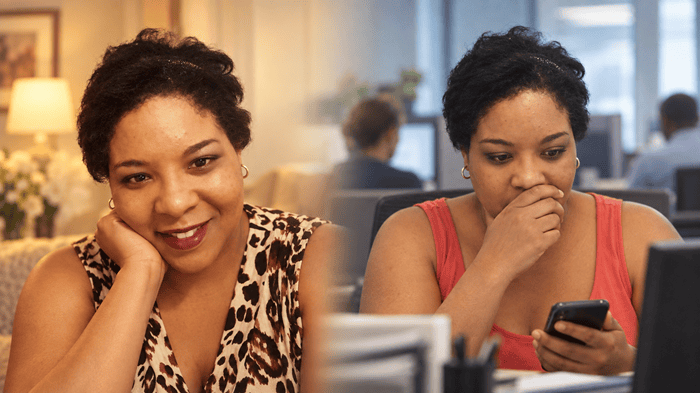
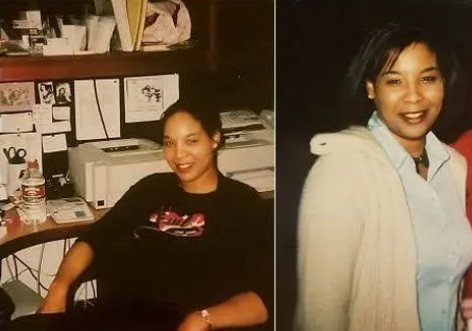
I was 39 years old. I was at my desk and ran into an empty conference room. I walked out like a zombie as coworkers asked if I was okay. I had just received life-changing news with nowhere private to fall apart.
How was I supposed to hide what was happening on my face? How was I supposed to control my breathing, gather my things, answer questions, or pretend I was still capable of finishing the workday? In an instant, the most terrifying and intimate news of my life became visible to people at work before I had even processed it myself.
No one should receive a cancer diagnosis alone while at work.
Eleven years later, I still wonder why there is no consistent national standard for delivering a positive cancer result. If the results show cancer, why not ask the patient to come into the office and tell them to bring someone they trust? Yes, they would know the news was likely serious. But they would also be in a private space, with support beside them and a medical professional present to answer questions while the shock unfolded in real time.
A cancer diagnosis should not arrive between emails, meetings, and office small talk.
For Black patients, the workplace carries another layer of fear. When you are the only Black person on a team or in a department, you already understand that you may be watched, judged, or misunderstood differently. You think about how much emotion is considered acceptable. You think about protecting your position. And when cancer enters the picture, you need that job—and its health insurance—more than ever.
Even in crisis, I knew I could not afford to appear unstable, unreliable, or incapable. I did not yet have the language for all of that. I only knew I was terrified, exposed, and trying to survive a workday after hearing words that had just split my life into before and after.
I Could Never Be “Just” a Cancer Patient
When I entered cancerland, I wanted to be a cancer patient and, eventually, a cancer survivor. That was already more than enough to carry.
But I quickly learned that I would never be allowed to be “just” either one.
I would always be a Black cancer patient and a Black cancer survivor because Black is what people often see before they see my records, my education, my questions, or my expertise.
Medical professionals and specialists questioned my invasive lobular breast cancer diagnosis or expressed surprise that I did not have triple-negative breast cancer because of its prevalence among Black women. I was not a stereotype or a statistic, yet too often I felt like people were trying to fit my body into both.
Racism and microaggressions followed me through workplaces and cancer centers. My tone could be policed. My confidence could be read as arrogance. My intelligence could feel threatening to people who had already decided what role I should occupy.
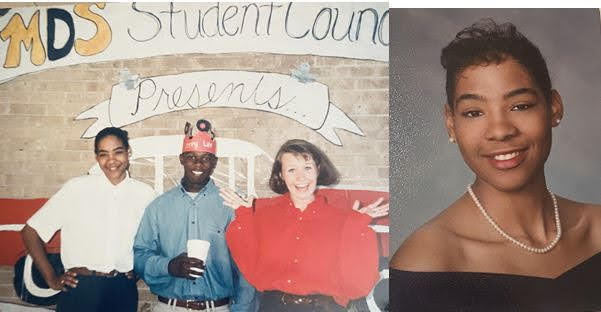
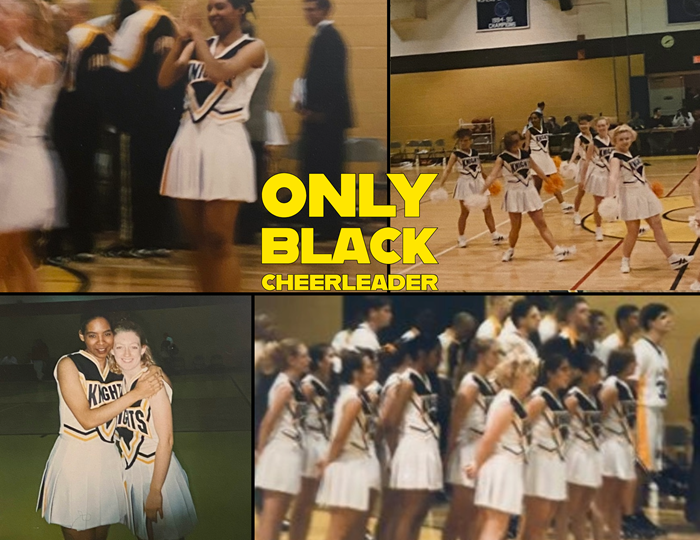
A fellow Black survivor named Karen once helped me understand something that was difficult to accept. I had grown up in predominantly white neighborhoods, attended a predominantly white high school and college, and often participated in activities where I was the only person who looked like me. I had accumulated experiences and accolades, believing they would speak for me. But in the “real world,” people would still see a Black woman first, and some would feel threatened once they realized I was smart, too.
That truth did not disappear inside cancerland.
That may be one of my greatest heartbreaks from the past eleven years: racism seeps into every facet of cancerland, too. I may have been naive enough to believe that because we all bleed red and cancer does not discriminate, people in the medical and patient communities would not discriminate either.
I was wrong.
In 2015, I walked into in-person support groups and was the only Black person there. Years later, during COVID, I was sometimes still the only Black person in virtual meetups and young adult cancer support spaces. I was a Black woman diagnosed in my 30s, yet I rarely saw myself reflected in the brochures, resources, or images placed in my hands.
It is difficult to feel supported in a space where you first have to explain your existence.
Cancer Followed Me Back to Work
Treatment ended, but cancer did not politely leave my career alone.
I returned to work carrying fear that no one could see. Then I landed what felt like my absolute dream job at a major advertising agency. I was finally being paid what I was worth. After everything cancer had interrupted, it felt like I had reclaimed part of the future I thought I was building before that phone rang.
Then the chemo brain became debilitating.
I struggled to retain information. At one point, I could not remember how to get home. My body was also intolerant of multiple post-treatment medications I was expected to take for 10 years. I was trying to protect my health, preserve my income, prove my competence, and understand a body and brain that no longer operated the way they once had.
Then two white female bosses told me I had to choose between my job and my health.
I was shattered.
I did not fully understand my legal rights as a cancer patient at the time. I did not discover Cancer and Careers until later. I only knew that the dream job I had worked so hard to reach was slipping away because of the long-term effects of the treatment that had kept me alive.
Cancer crippled my momentum, nearly crushed me financially, and derailed professional goals. I temped at multiple jobs to pay for coverage through the Affordable Care Act because I had to have insurance. I needed medication. I needed medical care. Survival had become its own full-time job, yet survival did not come with a paycheck.
The Pivot I Never Expected
COVID was horrific. It brought staggering loss of life, permanent damage, isolation, and grief that continues. I would never romanticize it.
But within that terrible period, something shifted for me. The world’s pivot to virtual connection created an opening I had not been able to find before. It helped me change the direction of my career and begin trusting my ability as a writer.
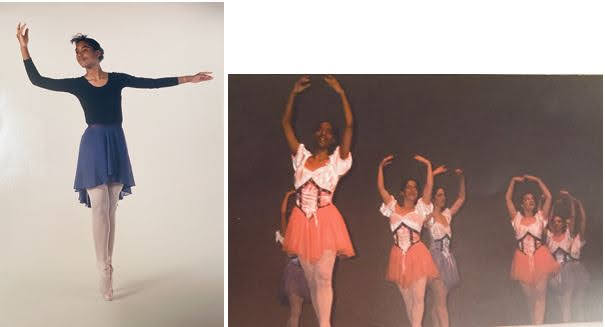
I had been deeply insecure about my writing. Yet writing, along with my theatre background, became the combination of talents that launched me into cancerland as a patient expert. Those gifts connected me with people who did not view me as someone who should remain confined to assistant roles. They saw my ideas, my voice, my creativity, my ability to communicate, and the expertise I had built through both professional experience and lived experience.
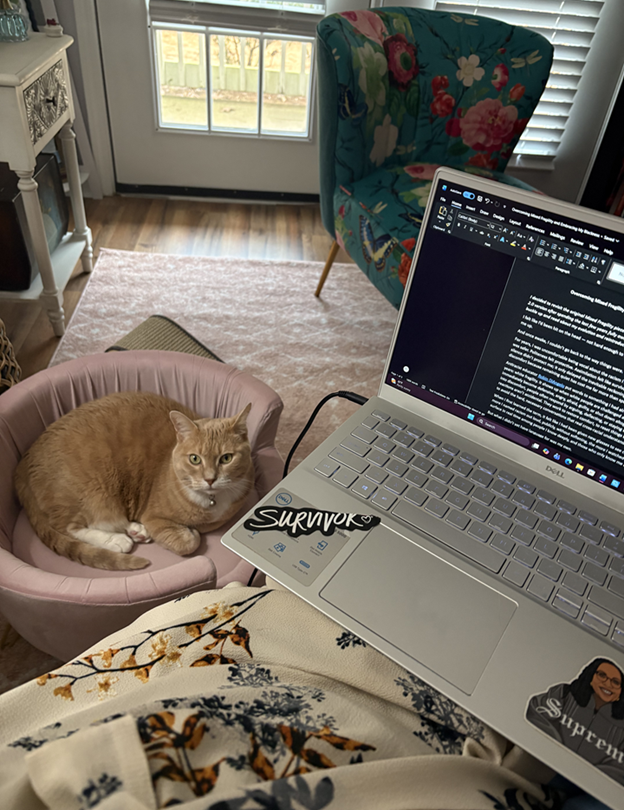
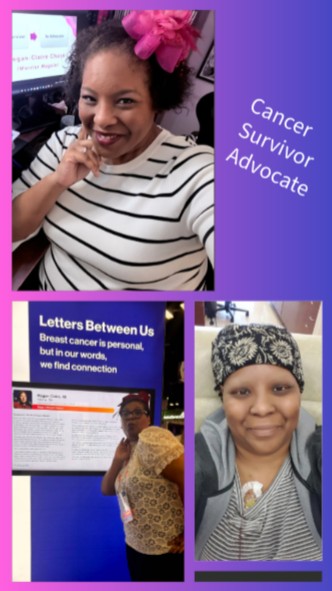
I started Life on the Cancer Train because I needed a place to tell the truth about what cancer looked and felt like beyond the pink ribbons and tidy inspiration. Over time, the blog became more than a place to process my diagnosis. It became a record of survivorship, racism, grief, work, health inequity, humor, rage, creativity, and the refusal to let other people flatten me into a single story.
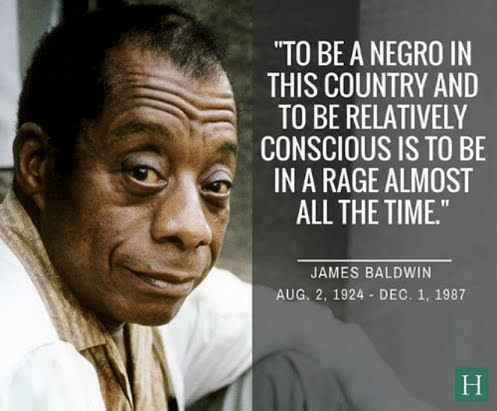
Discovering James Baldwin later in life helped recalibrate my mindset. I began doing the difficult work of unlearning anti-Blackness and learning the history that the books of my childhood never taught me. I studied the brilliance of the Black community differently. I reclaimed my voice. I developed the clarity to recognize and name how minoritized communities are treated, and the courage to speak up even when doing so made others uncomfortable.
What 3:05 PM Means Now
I will never be thankful for receiving that cancer call.
I am not thankful for the trauma, the toxic treatments, the cognitive changes, the financial instability, the racism, the microaggressions, the career disruption, or the years I spent trying to make myself smaller, so other people could feel bigger.
But that call forced me to see the chains of oppression wrapped around my life. Breaking them has been painful, ongoing work. It also forced me to truly see my worth.
I now know that my quirkiness belongs in cancerland.
My creativity belongs.
My Blackness belongs.
My theatre training, writing, humor, strategic mind, lived experience, and professional expertise do not compete with one another. Together, they are my power.
Cancer did not give me my voice. The voice was always mine.
These eleven years taught me to stop asking permission to use it.
So today, at 3:05pm, I will remember the woman sitting at her desk, trying not to unravel where everyone could see. I wish I could stand beside her, take the phone from her trembling hand, and tell her:
You should not have received this news this way.
You deserve privacy.
You deserve support.
You deserve protection at work.
You deserve to see yourself reflected in your care.
You deserve to be believed.
And one day, you will build the very space you needed when that call came.
Not because cancer made you who you are—but because, despite everything it tried to take, you finally stopped allowing the world to tell you who you were allowed to be.
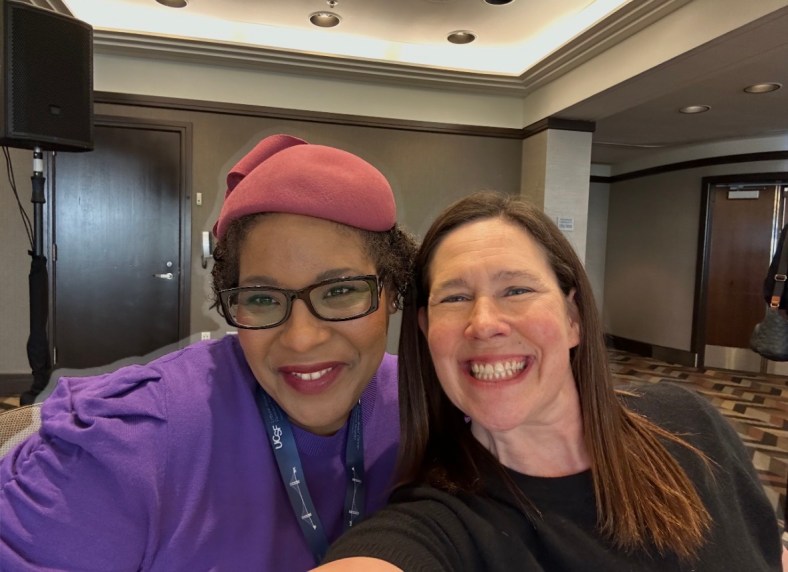
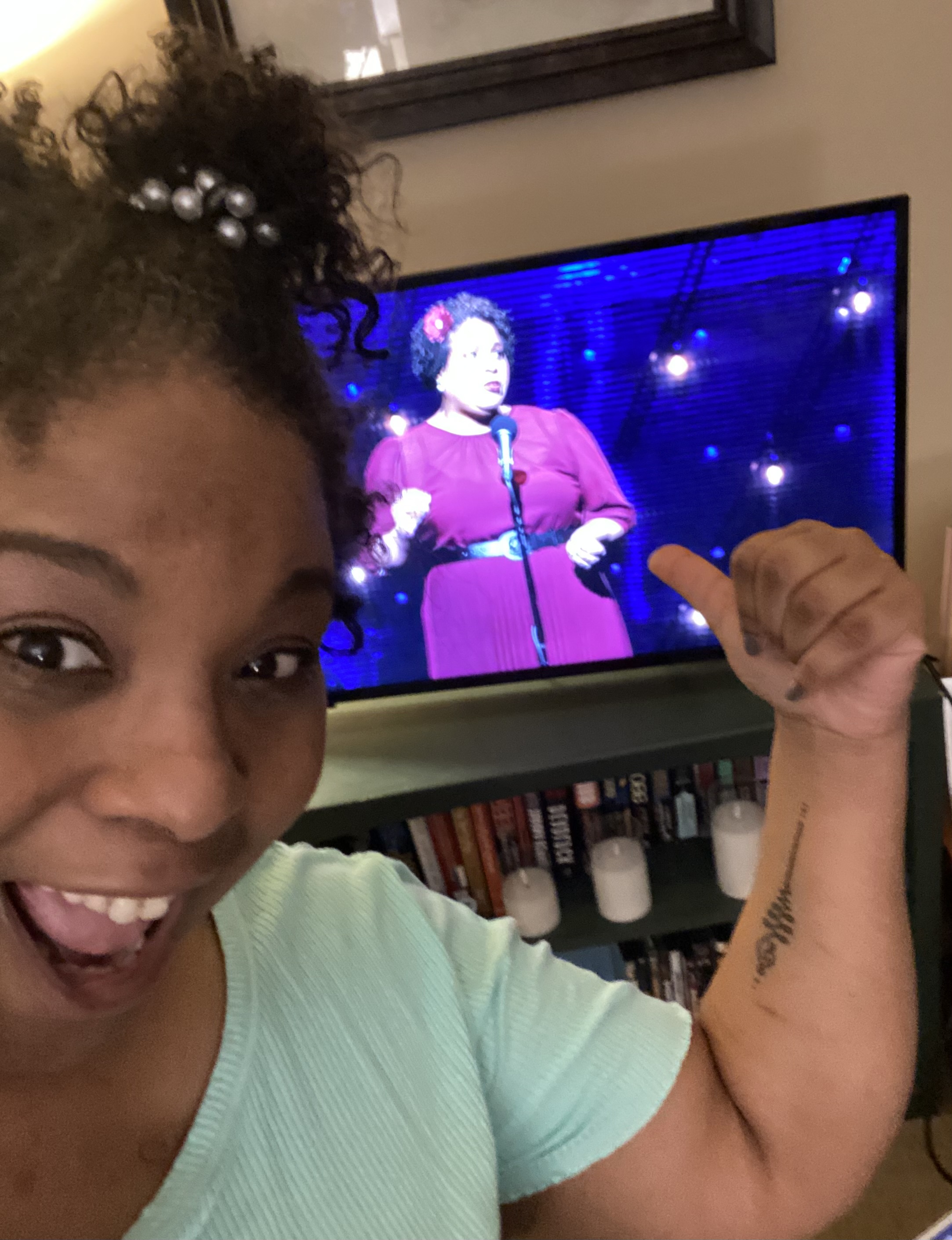
*Selfies by me and used AI to generate composition and background
Until next time,
Warrior Megsie